
The Things We Optimize For
Avocado oil, Talenti, and New York's public grocery experiment

Avocado oil Part 2 is coming…
I promise.
If you don’t know what I’m talking about read last week’s post here
And while I’m not an investigative journalist, I do have a rolodex of people who know things I don’t. So I’m cashing in favors to answer what everyone’s really asking: if you’re a startup without a procurement team or QA department, how do you actually verify that your [instert hot ingredient] is what it says it is?
I hope to tell you what broke with avocado oil if I can. But more than that I want to hand you a roadmap — what to ask, where to look, and why this keeps happening.
Hang tight.
Read of the Week: What Happened to Talenti?

NYT Wirecutter dug into Talenti post-Unilever, and I have two hot takes.
First — this is the same movie where BigFood acquires a premium brand, starts optimizing for cost, and consumers can tell the magic has left the building.
Ergo, formulation changes:
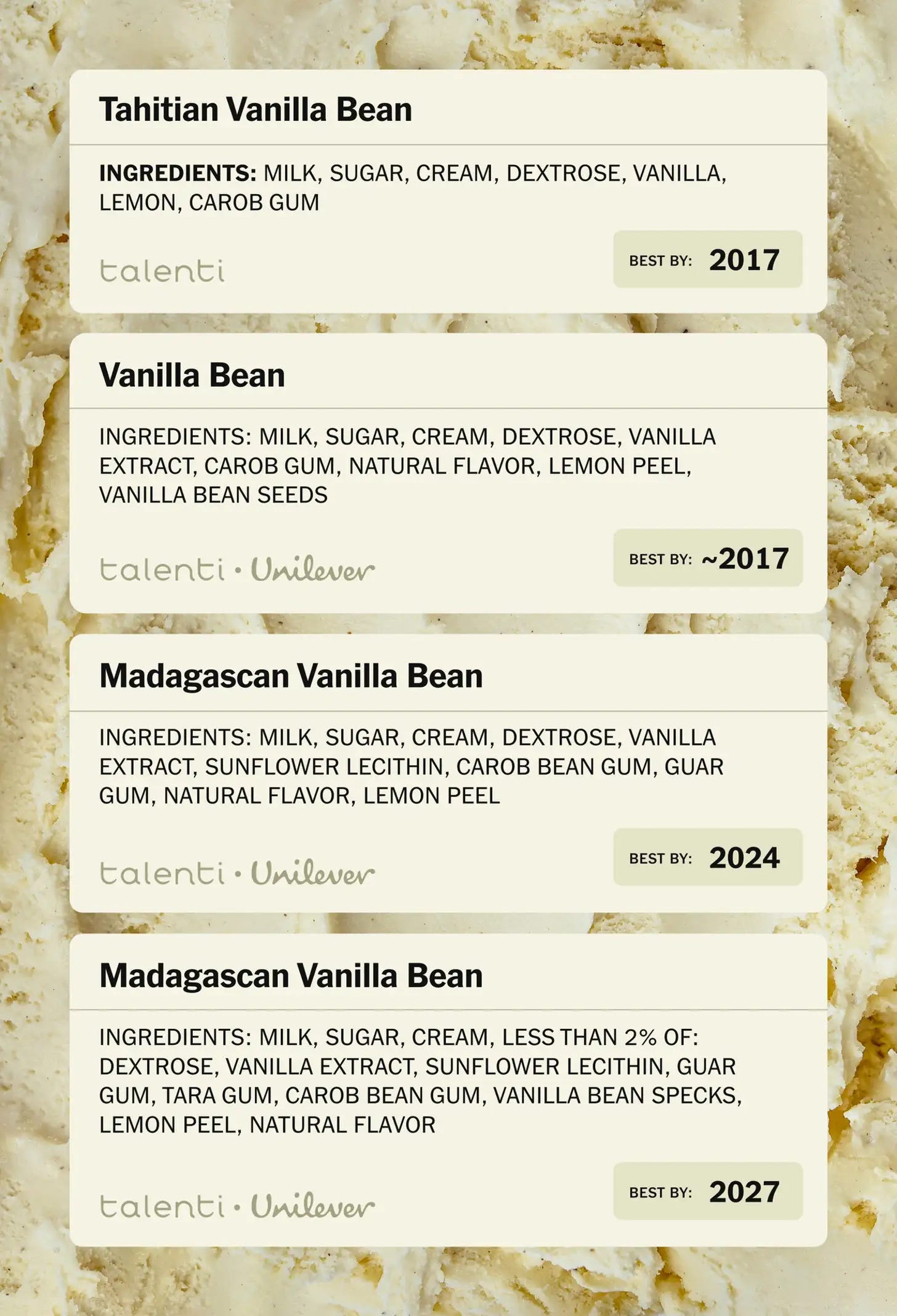
But that’s nothing new.
The second thing that happened at Talenti is the thing you can’t afford — packaging problems.
The Wirecutter piece spills a lot of ink on Talenti’s impossible-to-open lids. And here’s the thing, large companies can absorb repeated packaging failures because they have enormous distribution, brand equity, and financial resources. For startups, packaging failures are often existential. One or two major issues can consume precious cash, damage retailer relationships, and permanently erode consumer trust.
I learned this the hard way, almost immediately, when a Barney Butter customer called to say our tamper seal wasn’t sealing. Within hours every jar I owned was on my desk, I was hunting down new lids, wrestling supplier consolidation, and almond butter sales had officially become my least important problem.
New founders obsess over the logo. Veterans obsess over everything else.
This is why I teach testing via small retail rollouts vs going nationwide. Sounds contradictory to what I said a couple weeks ago about speed, but it’s not. It’s the iteration cycle that has to go fast. Don’t skip the feeback loop for the sake of speed! You don’t want one bad component to take the whole business down.
NYC approved public grocery stores

New York City wants to open publicly-backed grocery stores run like military commissaries — here’s the vision plan, and FoodNavigator’s take of what it could mean for CPG brands:
These publicly-funded grocery stores will sell core basket items, such as fresh produce, milk, eggs and milk at a 30% discount, with prices remaining fixed for a month before resetting. Non-core items will be priced competitively, according to the proposal.
The discount will be available to shoppers regardless of income, including those using nutrition assistance programs like SNAP and WIC…
I think we can look at this under a variety of lenses. I tend to look at what it means for agriculture.
First of all, consumers increasingly want government to ensure that food is safe, transparent and trustworthy. That’s an upstream expectation. People generally support government setting the rules of the game—food safety standards, labeling, environmental protections, fraud prevention.
They are even in favor of regulating Ultra Processed Food

source: The New Consumer
That’s different from government becoming a downstream market participant that expresses those values through purchasing decisions.
Consumer demand has always been ag’s market maker. We wanted kale, farmers planted kale. We wanted almond milk, almond acreage exploded. We fell for avocados, and whole supply chains rearranged themselves around us. Right now whey economics are shifting because protein demand is pulling whey away from cheese.
Millions of people voting with their grocery carts, every single day — that’s the system we all know.
The NYC proposal floats a different engine: procurement as the market maker. If a purchasing framework prioritizes sustainability, labor standards, or whatever public values get baked in, who decides which values win? Do you regulate everyone upstream, or build preferred markets downstream through who gets to sell? What happens to founder innovation once procurement eligibility matters as much as consumer taste? And if the pilot works, what does this look like in five or ten years — well beyond New York?
I’ll be following for when procurment policies might reach farms, food startups, processors and manufacturers.
I hope you are staying cool this August! Ping me if you’re headed to Newtopia Aug 19 - 20th so we can meet up!
All my best,
Jennifer
I have zero faith in governments ability to run a grocery store. They’re going to sell big food because it’s cheaper (what other brands could afford a 30% discount) and it’ll just morph into a government run dollar store. Which means things will constantly be out of stock, spoiling and check out will take ages. It might start with selling organic kale but the people buying organic kale are shopping where they enjoy the shopping experience aka higher margins. Public values vary across SES and we already know the middle class consumer barely cares about sustainability much less the folks who are food insecure.